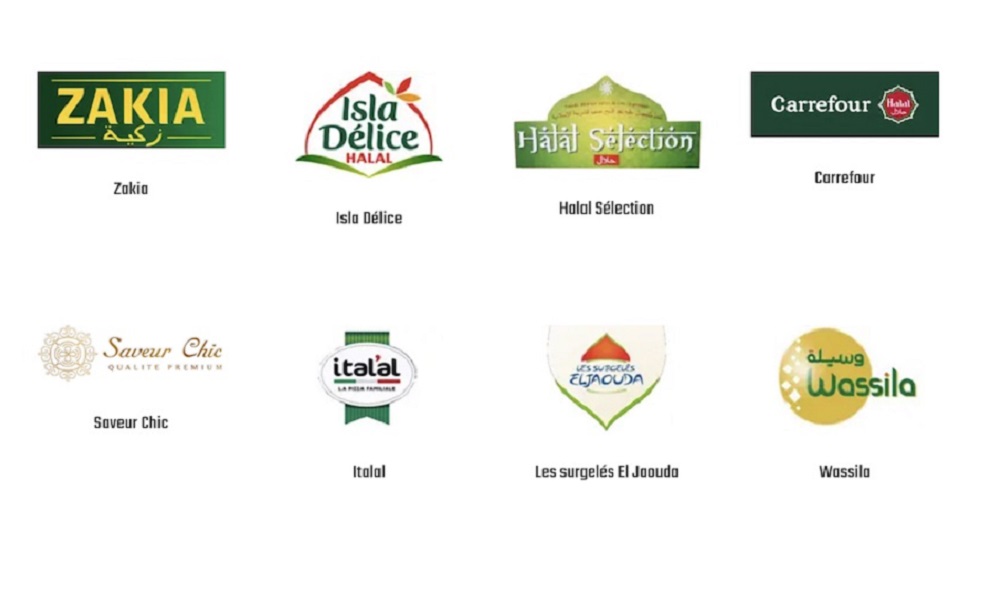
In a significant development for the halal food industry in France, the renowned Great Mosque of Lyon has made the bold decision to cease certifying two prominent brands, Carrefour halal and Halal Selection. This move comes as a response to concerns surrounding the controversial practice of electronarcosis in poultry slaughter, a method that has been deemed as detrimental to animal welfare by the mosque.
Since July 2021, the use of electronarcosis in poultry slaughter, with electrical parameters falling below European regulations, has come under scrutiny for causing undue harm to the animals. According to the Ritual Association of the Great Mosque of Lyon (ARGML), this practice has been found to cause significant distress and suffering to poultry, often leading to their demise even before the actual slaughter process begins.
This dilemma prompted a decisive choice for participants in the halal sector – either abandon electronarcosis or exit these markets altogether. This course of action was rooted in the acknowledgement that the well-being of animals is a priority that must not be compromised in the name of tradition or convenience.
Despite the technical instruction DGAL/SDSSA/2020-722 issued by the Ministry of Agriculture and Food, which outlined stringent guidelines to ensure the protection of animals during slaughter, some manufacturers continued to operate within a gray area. However, the ARGML’s stance and subsequent actions have shed light on the need for change.
The halal poultry market in France initially faced upheaval following a joint press release from the mosques of Evry, Paris, and Lyon in March 2021. This alert highlighted the urgency of the situation and demanded a reevaluation of practices within the sector.
Surprisingly, the intended shift in the industry has not yet reached Muslim consumers. The complexity of the topic and a lack of information dissemination have left many consumers unaware of the underlying concerns. Simultaneously, manufacturers have discreetly continued to market poultry that is dubiously labeled as halal, a practice that raises questions about transparency and integrity.
One remarkable exception in this landscape has been the ARGML, which decisively severed its ties with Bernard Royal Dauphiné (BRD) – a halal certification and control entity – in December 2021. BRD, despite being a historical partner, chose not to abandon electronarcosis, prompting the ARGML to disassociate itself from the company. However, even a year later, BRD’s halal poultry range, including various processed products, remains uncertified, with no communication regarding the ramifications of electronarcosis on poultry.
The silence maintained by BRD on this controversial practice contrasts with the proactive approach taken by the ARGML. The mosque’s commitment to transparency and ethical considerations remains evident as it continues to reevaluate and adjust its partnerships in the interest of animal welfare.
One of the key suppliers affected by this shift is Carrefour halal. The ARGML’s website confirms that the mosque no longer certifies this brand due to its association with Bernard Royal Dauphiné. This underscores the ripple effect of the mosque’s decision on both manufacturers and retailers.
As the halal food industry in France grapples with ethical dilemmas and strives for transparency, the decision of the Great Mosque of Lyon stands as a beacon of conscientiousness.