
Dhaka: Bangladesh is poised for substantial growth within its halal food industry, the country’s foremost trade body announced on Tuesday, following its decision to join the International Islamic Food Processing Association (IFPA).
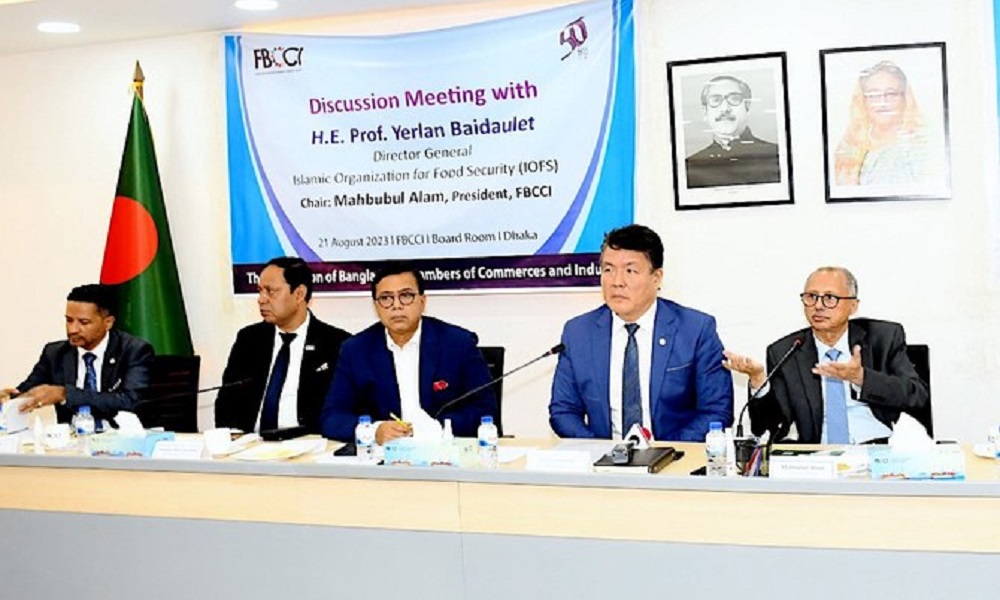
Headquartered in the United Arab Emirates, IFPA operates under the auspices of the Islamic Organization for Food Security, facilitating trade and investment among agriculture and food sector enterprises across the Organization of Islamic Cooperation (OIC) member states.
The Federation of Bangladesh Chambers of Commerce and Industry (FBCCI) inked an agreement to join the association in Dhaka on Monday.
Mr. Mohammad Amin Helali, Senior Vice President of the FBCCI, conveyed that membership within the organization is poised to open global doors for Bangladeshi businesses, tapping into the burgeoning halal food market, presently valued at nearly $2 trillion, and projected to double in size within the next five years.
“Today, the concept of halal food is gaining momentum worldwide… halal signifies safe food, devoid of any harmful elements, thus gaining global recognition,” Helali asserted.
“Our enterprises, engaged in the production of halal and safe food, will experience enhanced growth prospects through access to financial support such as loans and grants. This affiliation will ensure that we remain current with the latest Islamic perspectives on halal food guidelines.”
Bangladesh’s Standard and Testing Institution has already received approval from the Islamic Organization for Food Security, a food and agriculture entity and one of the OIC’s eight specialized institutions, to certify halal food products within the nation.
The country’s capability to adhere to IFPA standards is anticipated to further amplify its competitiveness within the global market.
Halal food adheres to Islamic law, and despite its widespread appeal, the global halal food market, especially within the meat sector, is primarily dominated by non-OIC countries.
“At present, India and Brazil are notable suppliers of halal meat, despite not being Muslim-majority nations. Therefore, if we can meet the halal food standards set by IFPA, we will undoubtedly enhance our chances of seizing international market share,” Helali emphasized.
“Our producers will be well-equipped to comply with halal food production regulations, which will ultimately elevate our presence in the international halal food market, including in Middle Eastern countries.”