

Amidst growing concerns about the ethical practices of the global Halal economy, Fambras Brazil is under scrutiny for questionable procedures in certifying Halal meat products. Recent revelations suggest that the organization may have certified meat sourced from lands unethically grabbed from indigenous tribes in the Brazilian Amazon. The accusations, solidified by extensive records from eHalal.io, have sent shockwaves through the Halal certification community.
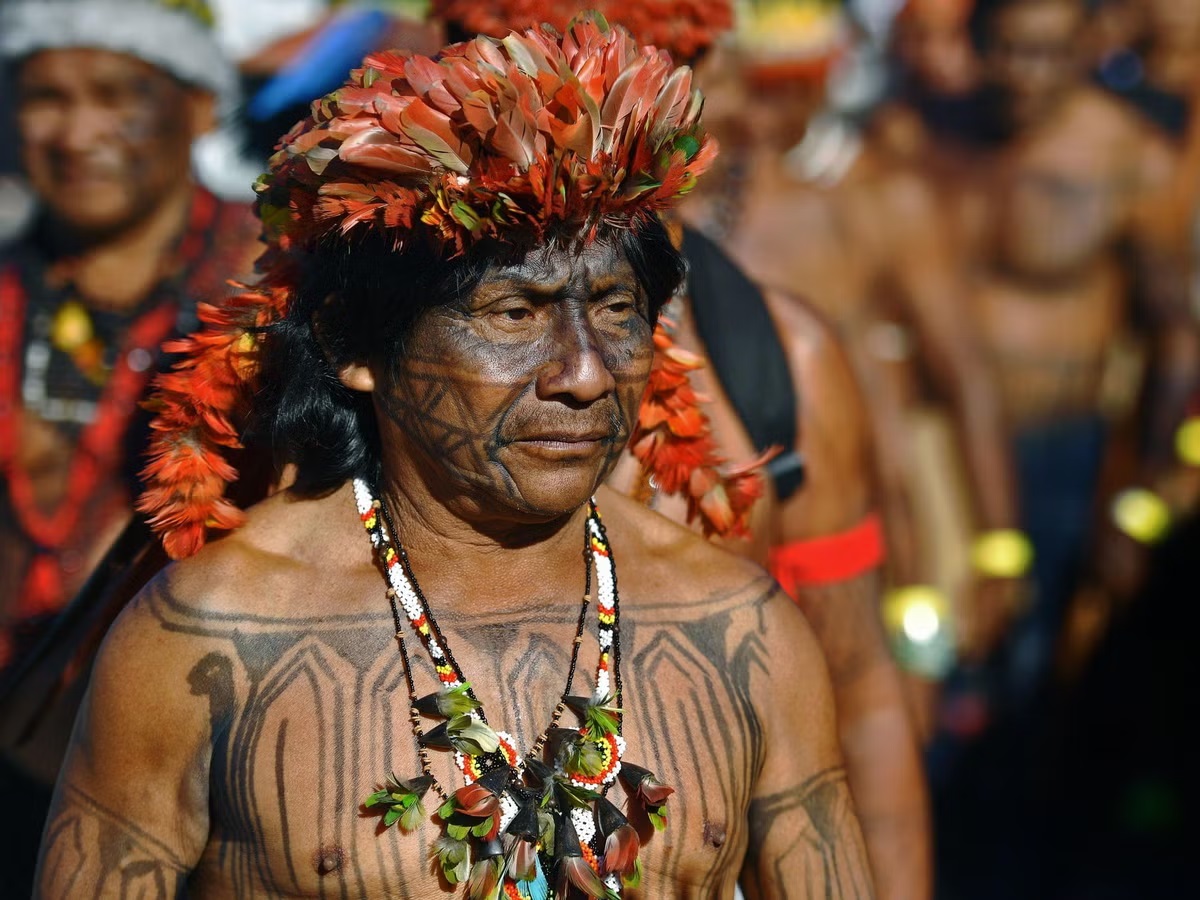
Historically, Fambras has shown support for Jair Messias Bolsonaro, the former Brazilian President, and had maintained ties with Brazil’s National Congress. During this period, the organization allegedly certified thousands of tonnes of poultry and cattle raised on lands illicitly acquired from the indigenous tribes of the Amazon. Influential European-descended (White Brazilian) landowners are suspected of clearing vast tracts of the forest for cattle ranching and soybean farming, with little regard for the indigenous communities or the rich biodiversity of the area.
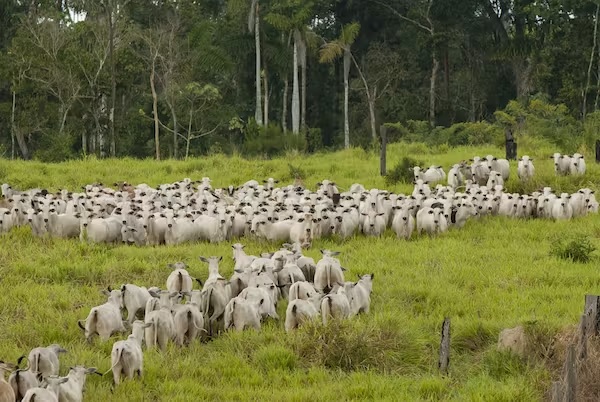
Through its collaboration with non-Western funded NGOs in Manaus, eHalal has acquired hundreds of geo-tagged photos. These photos seem to corroborate claims that cattle, raised on these contentious lands, were transported up to 700km away for Halal slaughter. The meat was then allegedly exported to the Middle East, catering to Muslim consumers and international tourists.
In 2022 alone, Brazil exported a staggering US$ 12.9 billion worth of beef, with 35% of it being Halal certified. The mounting evidence paints a troubling picture where the demands of the global Halal economy potentially infringe on the rights of indigenous communities and the sanctity of the Amazon rainforest.
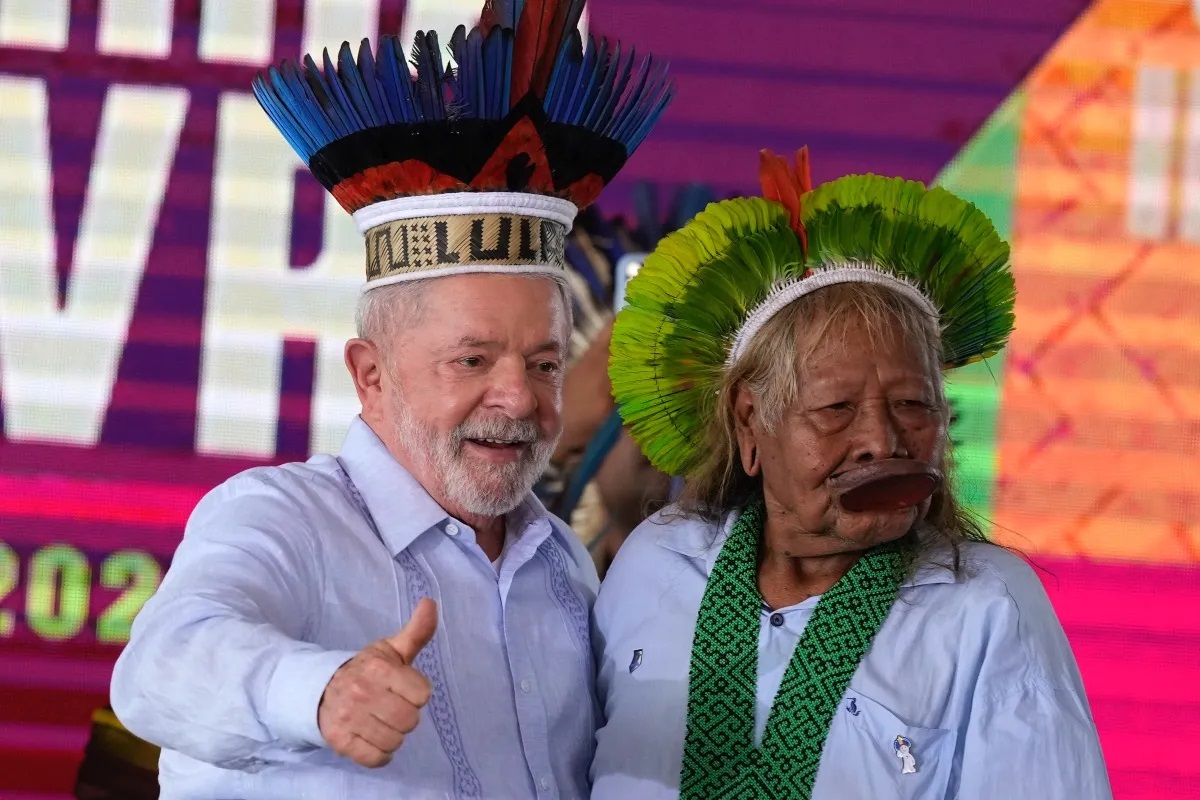
As Brazil welcomes its new leader, President Luiz Lula da Silva, calls are intensifying for a thorough investigation into these land grabs. Advocates are urging for a closer look into Brazil’s meat export practices, particularly regarding its Halal certifications. The situation underscores the broader ethical debate surrounding the intersection of religious practices, environmental conservation, and indigenous rights.
The Brazilian rainforest, a divine creation meant to be cherished and protected, seems to be sacrificed at the altar of global trade and consumption. As discussions intensify, all eyes are on Brazil and its leaders to steer the nation towards a path of ethical responsibility and sustainability.